

From the instant you get off the plane in Hawaii, it feels like you have been there before. With people’s friendly smiles, the weather being great, and everyone talking about how relaxed you will be, it is hard to argue with them. It almost feels like you already get it. But honestly? Most visitors just skim the surface.
Beneath those famous beaches and polished resorts, Hawaii’s got a much deeper story. Centuries of Native Hawaiian heritage, strong community values, and daily rituals shape life here in quiet, lasting ways.
That’s what we’re diving into here. This blog will walk you through the side of Hawaii you don’t always hear about, from subtle social etiquette to deep-rooted rituals, to show you the real Hawaiian culture that influences everything.
If you think culture only pops up at festivals or hula shows, think again. In Hawaii, it’s part of day-to-day life. It’s the little things, tiny habits, unspoken rules, small gestures locals do out of pure instinct.
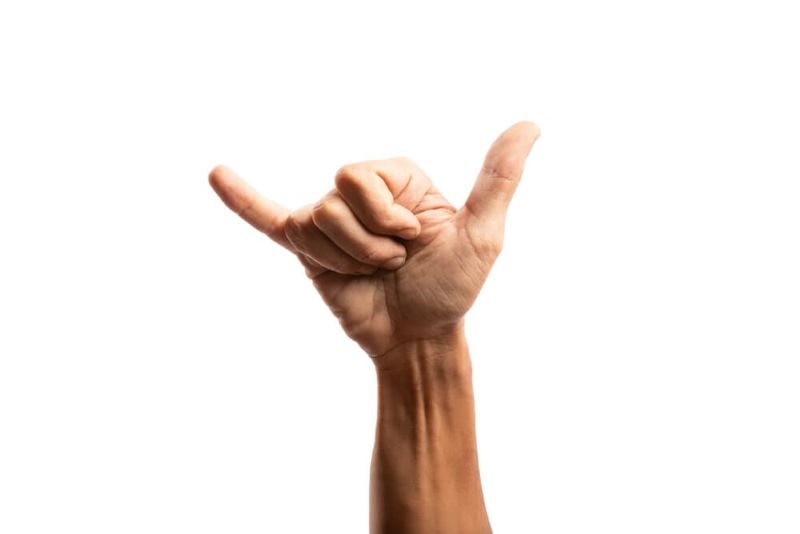
You’ve probably seen it: thumb and pinky out, hand flicked in a quick wave. The shaka looks casual, even playful, but it’s got a job to do. Locals use it to say hello, thank you, sorry, or just toss a friendly “all good” from the car.
Nobody really honks in traffic, unless it’s in a friendly way. The shaka says everything you need without a word.
This one catches a lot of visitors off guard. In Hawaii, you take your shoes off before going into someone’s house, even if it’s a vacation rental. It’s not just for keeping things clean. It’s about respect. You’re literally leaving the outside world behind at the door.
If you forget, someone will usually just give you a gentle nudge. Remember it, though, and people will notice you get it.
Let’s go beyond the surface customs for a second. At the center of all these daily habits sits a set of deep cultural values shaping how people act and connect. This is the part a lot of outsiders miss.
People toss around “Aloha” as hello, goodbye, and even as a marketing slogan. That’s barely scratching the surface. To Hawaiians, Aloha is a way of living: kindness, patience, respect, and showing genuine care. Hawaiian law even recognizes it as a guiding principle.
Take the word “Aloha,” for example. It’s not just a greeting. It’s a way of living, a whole philosophy that shows up in how people treat each other and move through their days.
And the land? It’s not just real estate or a pretty backdrop. In Hawaiian culture, “aina” means the land is family. The ocean and the earth aren’t just there to be used; they’re living, spiritual relatives, and people feel a real responsibility to care for them.
So you’ll hear a lot about leaving beaches as you found them, not taking rocks or sand, and respecting wildlife. There’s also a well-known legend about Pele, the volcano goddess, who says that if you take a lava rock home, you’ll have bad luck.
Some stunning spots in Hawaii are more than just pretty views. Sacred places, wahi pana, like ancient Hawaii temples (heiau) or burial sites, should be treated with care.
Don’t walk on them, don’t move anything, and always read posted signs. If something feels old or special, just approach it with respect, even if other people aren’t.
People think authentic Hawaii means a luau or a beachside show. Those are fun, sure. But the real stuff goes deeper.
A luau is good fun, but catching an imu ceremony is something else. An imu is an underground oven used for slow-cooking food at community gatherings.
Watching folks prep the pit, cook the meal, and finally dig it up connects you to one of Hawaii’s oldest traditions. It’s about more than just eating; it’s about coming together.
Souvenir shops are everywhere, but buying from local artists or farmers’ markets means more. Locally carved woodwork, hand-woven jewelry, fresh island foods, these are the pieces of Hawaiian culture people pour their stories into.
They’re way more meaningful than something mass-produced.
Some traditions are loud and obvious. Others are quiet, but if you look, you’ll find them in everyday life.
A flower behind someone’s ear isn’t just for looks. Placement actually means something. Right ear? You’re single. Left? You’re taken. It’s subtle, but it’s been part of island culture for generations.
A lot of tourists think hula is just a dance show. It started as a form of prayer. Every hand movement, every step means something, maybe a story, maybe to honor nature or ancestors; if you know that going in, watching hula feels entirely different.
So, planning your trip? Remembering just a few of these customs can change everything. Respectful travel isn’t hard, it just takes a little awareness:
These aren’t rules with penalties; they’re gentle ways to blend in and show respect.
Also Read: Preserve Hawaiian History and Culture 2025 Through Education
Hawaii isn’t just about stunning beaches and Instagram-worthy sunsets. All those little everyday customs we mentioned earlier might seem small individually, but together, they shape what life looks like for Hawaiians. Next time you visit, if you pay attention to these details, you’ll find your experience way more personal, memorable, and honestly, just plain better.
For Hawaiians, their language isn’t just a way to talk; it’s their history, their identity, and their story. Hawaiian words can have layers of meaning, both natural and spiritual. To keep the language alive is to keep the heart of Hawaiian culture alive as well.
Mele, or chants, are a way to honor important times/events, ancestors, and pass down stories from parent/child, child/parent generations. They are important in keeping Hawaiian culture alive and connected with lots of references to the land, family, and spiritual life.
Definitely, festivals come with guidelines, showing respect, dressing the part, and paying attention during performances. Usually, it’s respectful to keep quiet and wait until you’re invited to join in.
Check out cultural guides, sign up for workshops, or spend time at cultural centers. A little preparation not only makes you a more considerate guest but also helps you appreciate all that Hawaii has to offer on a deeper level.
This content was created by AI