

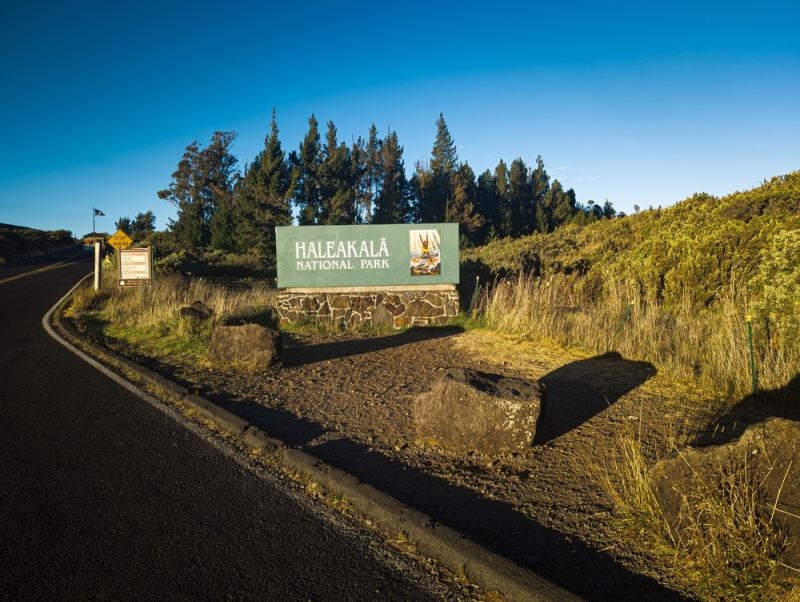
Heading up the winding slopes of Maui without a strict plan will leave you stranded and shivering. Most tourists treat this massive volcanic shield like an easy beach detour, packing light clothes and zero warm gear. Exploring Haleakala National Park demands serious preparation, whether you plan to watch dawn break across the clouds or trek through loose volcanic scree. You are dealing with extreme elevation changes, thin air, and unpredictable mountain weather.
Top Pick: Top Things to Do in Maui for an Unforgettable Island Escape
This colossal volcanic shield draws massive crowds because it looks like a completely different planet. Standing 10,000 feet above the Pacific cloud deck delivers an otherworldly view you cannot find anywhere else on the islands. Visitors flock here to witness legendary sunrises and hike through volcanic craters that resemble the surface of Mars.
The park splits into two radically different zones that demand separate days to explore properly. The high-altitude summit district offers frigid viewpoints, cosmic stargazing, and brutal crater hikes through volcanic ash. Meanwhile, the remote coastal Kipahulu district delivers muddy rainforest trails, towering bamboo groves, rushing waterfalls, and dramatic ocean views along the jagged shoreline.
Must Read: A Complete Hawaiian Kingdom Royal History and Legacy Guide
Do not waste valuable daylight wandering between random turnouts. Lock down these premier spots to experience the mountain's most dramatic landscapes and historic vantage points.
Perched right at 9,740 feet, this cliffside stone structure offers an immediate, sweeping look across the massive crater basin below. It provides a warm viewing refuge where cold travelers gather behind large observation windows to watch morning light hit jagged volcanic ridges.
This is the highest point on Maui, rising 10,023 feet above the Pacific Ocean. A short walkway leads to a glass observatory offering panoramic 360-degree views across the entire island, neighboring volcanic peaks, and rolling cloud banks stretching to the horizon.
Skip the congested summit lots and stop at this rugged pull-off perched along the western crater rim. It looks straight down into ancient cinder cones while offering a secure fenced vantage point to examine rare, silver-leaved silversword plants growing in barren rock.
This legendary route plunges directly off the summit rim into the heart of the Haleakala crater. Hikers descend through massive dunes of loose red-and-black volcanic cinder, surrounded by absolute silence and towering volcanic mounds stripped of all green vegetation.
Located along the tropical southeastern coastline, this famous four-mile round-trip trail cuts through dense mud and a sprawling bamboo forest. The path ends directly at the foot of Waimoku Falls, where a 400-foot waterfall crashes down vertical green canyon walls.
Tackling high-altitude switchbacks requires far more stamina than everyday coastal walks. Prepare your gear and pace your ascents to conquer rugged volcanic routes safely.
Starting Haleakala hiking routes at ten thousand feet means thin mountain air drains stamina rapidly. Descending into the crater feels effortless, but the climb back out demands relentless uphill cardio over loose gravel that slides underfoot.
This challenging northern route drops one thousand feet down sheer rock walls via narrow, exposed switchbacks. It guides hikers into foggy volcanic grasslands where shifting alpine clouds roll across the trail without warning.
The interior crater basin contains zero shade and no potable water. Intense high-altitude solar rays scorch unprotected skin through cold mountain air, making wide hats, dense sunscreen, salty snacks, and multiple liters of hydration mandatory.
Running shoes won't survive this terrain. Razor-sharp volcanic gravel will tear cheap foam sneakers to ribbons within twenty minutes. Lace up heavy, thick-soled boots unless you want to twist an ankle on loose cinder miles away from help.
Catching dawn above the cloud line is an iconic Maui rite of passage. Follow these logistical rules to bypass entry headaches and avoid freezing in the dark.
Witnessing the famous Haleakala sunrise requires scoring an advance vehicle reservation via recreation.gov for arrivals between 3:00 AM and 7:00 AM. Park rangers turn away anyone arriving without a digital QR confirmation code.
Ocean temperatures provide zero indication of summit conditions. Gusting morning winds routinely drop the wind chill into the thirties, requiring heavy thermal jackets, fleece beanies, and warm gloves to stay comfortable outside your vehicle.
Pushing up Route 378 in the pitch black means white-knuckling your way through brutal hairpin curves and massive cliff drops. You have to ditch the beach towns by 3:30 AM so you can actually take it slow, beat the heavy gate traffic, and lock down a spot before the sun cracks the horizon.
Treating this ancient mountain like a casual beach outing guarantees a rough time on the slopes. Visiting Haleakala National Park demands disciplined preparation, warm layers, and respect for its harsh alpine climate. Whether you stand above the clouds for a frigid sunrise, descend through loose volcanic gravel inside the crater, or wander through dripping bamboo groves in Kipahulu, this landscape rewards travelers who plan.
Expect a drive of roughly two to two-and-a-half hours from Ka'anapali or Lahaina. The ascent up Haleakala Highway involves dozens of tight switchbacks, requiring slow, cautious driving in the dark.
Yes, the park maintains backcountry tent campsites at H. Lua and Palik, alongside primitive wilderness cabins. Campers must secure permits in advance and carry all food, water filters, and cold-weather camping equipment.
No internal road links the two sections. Traveling from the summit down to the coastal Kipahulu district requires driving back down the mountain and following the winding Hana Highway for several hours.
Thin air at ten thousand feet causes headaches, dizziness, and nausea in sensitive visitors. The immediate remedy is driving down to lower elevations, hydrating heavily, and resting until symptoms disappear.
If you completely fail to score a dawn permit, pivot to the afternoon. The park drops the heavy gate checks right at 7:00 AM, meaning you can roll straight up the mountain without flashing a digital pass.
This content was created by AI