

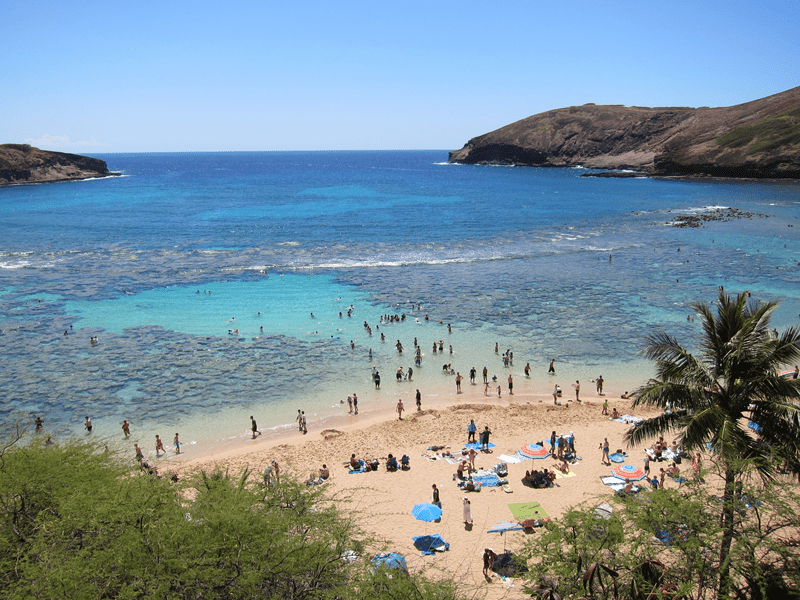
Before getting into the details, let’s set the scene. Hanauma Bay isn’t just another pretty beach you scroll past on Instagram. It’s a living marine ecosystem, a place with rules, rhythms, and surprises. This guide walks you through what makes Hanauma Bay special, how snorkeling really works here, why the beach rules matter more than you think, and what kind of wildlife you’re likely to meet along the way. If you’re planning a visit or just daydreaming from your couch, you’ll get the full picture without feeling lectured.
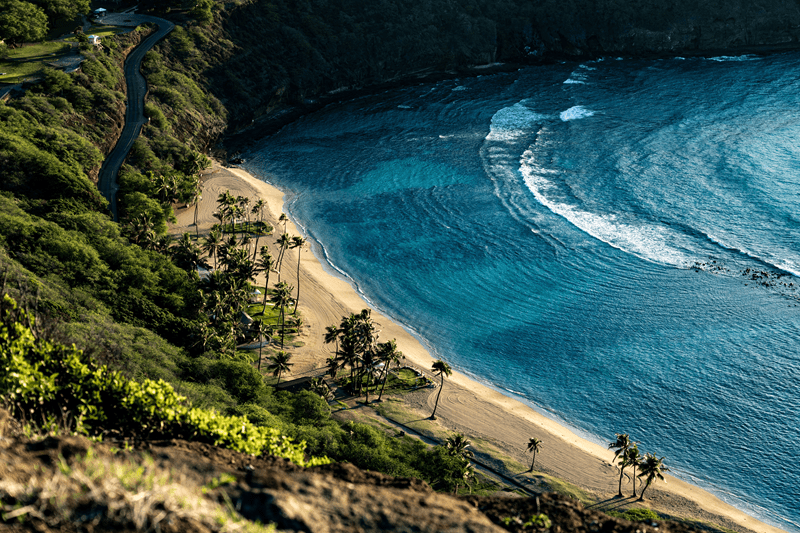
Hanauma Bay, Hawaii, sits on the southeast coast of Oahu, shaped like a gentle crescent and framed by volcanic cliffs. At first glance, it looks like a postcard. Calm water, bright sand, unreal shades of blue. But there’s more going on beneath the surface, literally and figuratively.
Here’s the thing. Hanauma Bay wasn’t designed to be a beach. It was formed by volcanic activity thousands of years ago, and that bowl-like shape created a protected marine habitat. The reefs grew slowly, fish settled in, and balance took hold.
That’s why the bay feels calmer than many other beaches. The outer reef acts like a natural barrier, softening waves and keeping the inner water friendly for swimmers. It’s nature doing crowd control, long before tourists showed up.
For many residents of Hanauma Bay, Oahu, Hawaii, this place isn’t just scenic. It’s personal. Families have grown up learning fish names here. School trips come with lessons about respect, not selfies.
That sense of care is baked into every rule you’ll hear about later. And honestly, once you stand there looking down at the water, it makes sense. You don’t want to mess this up.
Also Read: Explore the Beauty & Adventure of Kualoa Ranch Hawaii Tours
Snorkeling is the main reason most people come to Hanauma Bay, and yes, it really is that good. Still, expectations matter. This isn’t a theme park ride. It’s more like visiting someone’s home and being invited to look around.
One reason Hanauma Bay, Hawaii, gets so much love is how approachable it feels. You don’t need to be an expert swimmer. The reef starts close to shore, and the water stays shallow for a reasonable distance.
Fish often swim right past your legs. No exaggeration. On a clear day, you might spot parrotfish, butterflyfish, and even the humuhumunukunukuapua’a, Hawaii’s state fish, before you’re fully settled.
Here’s a mild contradiction. The bay looks calm, almost sleepy. Yet it demands attention. Currents shift. Sun glare plays tricks on your eyes. You’ll learn quickly to float, relax, and move slowly.
Honestly, people who rush miss the best moments. The magic happens when you pause, breathe, and let the reef reveal itself.
You can bring your own snorkel gear or rent it nearby. Either way, comfort matters more than brand names.
A few small reminders
These aren’t just tips. They’re acts of respect.
The rules at Hanauma Bay, Honolulu, Hawaii, can feel strict at first. Reservations. Limited entry. Closed days. But once you understand the why, they feel reasonable, even reassuring.
Before entering, visitors watch a short educational video. Some people roll their eyes. Others lean in. The video explains how the reef works and why small actions matter.
Touching coral, for example, can kill it. Standing on rocks can crush decades of growth. When you hear that, the rules stop feeling random.
Let us explain this simply. You’re a guest here.
You can swim, snorkel, relax, and observe. You cannot collect shells, chase fish, or feed wildlife. Food is allowed in certain areas, but trash must be left with you.
These limits keep the bay alive. And alive is better than convenient.
Hanauma Bay closes one day a week. That break lets fish rest, and the environment recover. Think of it like a reset button. Nature needs downtime, too.
Visitors sometimes complain. Locals usually smile. The reef thanks everyone.
Check This Out: Visiting The Great Waimea Canyon Tour: Hawaii's Grand Canyon
Wildlife at Hanauma Bay, Hawaii, isn’t staged or predictable. That’s part of the thrill. One minute you’re watching tiny fish nibble algae. Next, a sea turtle glides by like it owns the place.
Many fish here aren’t shy. They’ll circle, pause, and inspect you. It feels personal, even though it’s not. Yellow tangs move in loose groups. Triggerfish dart with purpose.
You might catch yourself grinning underwater. It happens.
Green sea turtles, or honu, are common visitors. Seeing one can stop you mid-float. They’re graceful, calm, and completely uninterested in posing.
Keep your distance. Touching turtles is illegal and stressful for them. Watching quietly is more than enough.
During certain times of the year, you might notice changes. Different fish patterns. Rougher water. Subtle shifts.
That’s the bay breathing. Paying attention makes the experience richer.
A little planning goes a long way with Hanauma Bay, Oahu, Hawaii. Showing up unprepared can turn excitement into frustration.
Entry requires a reservation, and spots fill fast. Early mornings offer calmer water and fewer crowds. Plus, the light is softer, which makes snorkeling clearer.
Late afternoons can feel rushed. The bay has a rhythm. Try to match it.
Bring water, reef-safe sun protection, and patience. Skip loud music, oversized coolers, and expectations of perfection.
You know what? The bay doesn’t perform on demand. It rewards those who slow down.
Learn More: Iolani Palace: A Walk Through Hawaii’s Royal History
Hanauma Bay, Hawaii, isn’t just a snorkeling spot. It’s a reminder that nature works best when given space, patience, and a little humility. From clear waters and colorful fish to thoughtful rules and quiet moments, the bay offers more than a day at the beach. It offers perspective. If you go with curiosity and care, you’ll leave with more than photos. You’ll leave changed, just a bit.
Yes. Reservations are required and help limit crowd size. Booking ahead makes the visit smoother and protects the reef.
Absolutely. The shallow water and calm conditions make it friendly for first-time snorkelers.
Yes, personal gear is allowed. Just make sure it’s clean and comfortable for longer use.
There are limited snack options nearby. Many visitors bring simple food and water, then pack everything out when leaving.
This content was created by AI